
Relocating a business is a complex process that requires careful planning, coordination, and execution. Whether a company is expanding, downsizing, or simply changing locations, the process involves far more than just transporting items from one place to another. From protecting valuable equipment to minimizing operational downtime, businesses must approach relocation strategically to ensure continuity and efficiency.
In a dynamic and fast-paced city like Los Angeles, businesses often rely on Commercial Moving Los Angeles solutions to handle the challenges of relocation. These services are designed to meet the unique needs of offices, retail spaces, warehouses, and industrial facilities. Understanding how these services work can help organizations make informed decisions and avoid common pitfalls.
Understanding Commercial Moving Services
Office relocation services refer to specialized relocation solutions tailored for businesses rather than individuals. Unlike residential moves, commercial relocations involve handling sensitive documents, expensive equipment, and large-scale logistics. These services are structured to ensure that business operations resume quickly and safely after the move.
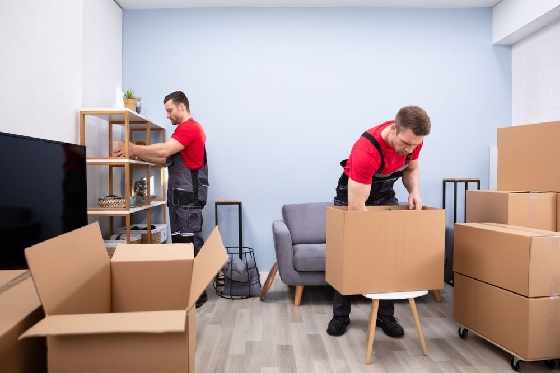
A typical commercial move may include packing, labeling, disassembly of office furniture, transportation, unloading, and reassembly. Additionally, some providers offer storage solutions, IT equipment handling, and post-move setup assistance. The goal is to minimize disruption while maintaining the integrity of business assets.
Why Business Relocation Requires Planning
A successful commercial move begins long before the actual moving day. Planning is essential to avoid delays, financial losses, and operational interruptions. Businesses must create a clear timeline, assign responsibilities, and communicate effectively with employees and stakeholders.
Key planning steps include:
Assessing the volume of items to be moved
Creating an inventory list
Identifying fragile or high-value equipment
Scheduling the move during off-peak business hours
Coordinating with service providers
In large cities like Los Angeles, logistical challenges such as traffic congestion and building regulations can add complexity. Proper planning helps address these challenges proactively.
Key Components of a Commercial Move
Every business relocation involves several critical components that must be handled efficiently. These include:
Inventory Management
Maintaining an accurate inventory ensures that no items are lost or misplaced during the move. Labeling systems and tracking methods play a vital role here.
Packing and Protection
Commercial items often include electronics, machinery, and confidential files. Proper packing materials and techniques are essential to prevent damage.
Transportation Logistics
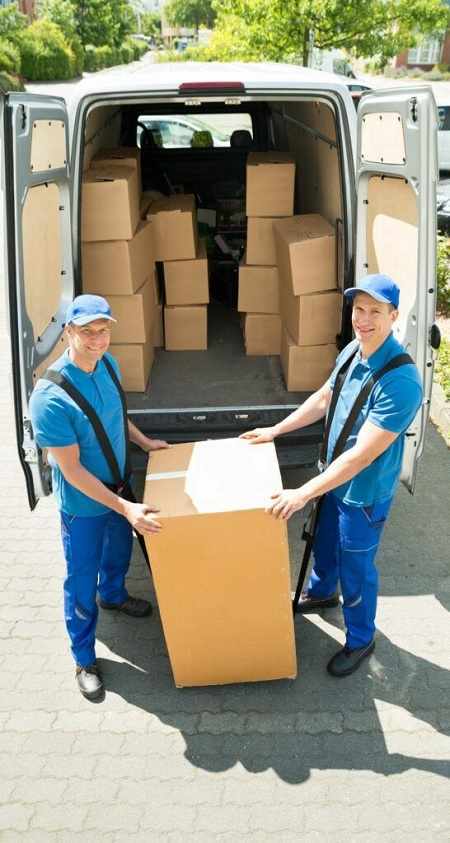
Coordinating transportation routes, timing, and vehicle capacity is crucial, especially in a busy city environment.
Installation and Setup
After transportation, reassembling furniture and setting up workstations is necessary for business continuity.
Benefits of Professional Assistance
While some businesses may consider handling relocation internally, professional Commercial Moving Services offer several advantages:
Efficiency and Speed
Experienced teams can complete tasks faster due to their expertise and structured processes.
Reduced Risk
Proper handling minimizes the risk of damage to equipment and furniture.
Cost Management
Although hiring professionals involves an upfront cost, it often reduces long-term expenses caused by delays or damages.
Specialized Equipment
Professional movers use tools and equipment designed for heavy and delicate items.
These benefits are particularly important in a large metropolitan area where time and precision are critical.
Challenges in Commercial Moving
Business relocations come with their own set of challenges. Understanding these can help organizations prepare effectively.
Downtime Management
One of the biggest concerns is minimizing downtime. Even a short interruption can impact productivity and revenue.
Handling Sensitive Data
Offices often contain confidential documents and digital assets that must be securely transported.
Coordination Among Teams
Multiple departments must work together during a move, requiring clear communication and planning.
Compliance with Regulations
Buildings and local authorities may have specific rules regarding moving schedules, parking, and elevator usage.
Tips for a Smooth Business Relocation
A well-organized approach can make the relocation process significantly smoother. Here are some practical tips:
Start Early
Begin planning several weeks or months in advance, depending on the size of the business.
Assign a Move Coordinator
Having a dedicated person to oversee the process ensures better organization and communication.
Communicate with Employees
Keep staff informed about timelines, responsibilities, and expectations.
Backup Important Data
Ensure all digital information is securely backed up before the move.
Test Systems After Moving
Verify that IT systems, phones, and internet connections are functioning properly in the new location.
Role of Technology in Modern Moving
Technology has significantly improved the efficiency of commercial relocations. Digital inventory systems, GPS tracking, and scheduling software allow businesses to monitor the progress of their move in real time.
Additionally, cloud-based tools enable teams to stay connected and maintain productivity even during the transition. These advancements have made Commercial Moving Services more reliable and transparent than ever before.
Sustainability in Commercial Relocation
Many businesses today are prioritizing environmentally responsible practices. Sustainable moving strategies include:
Using recyclable packing materials
Reducing waste during packing and unpacking
Optimizing transportation routes to lower fuel consumption
Donating or recycling unwanted office items
Adopting such practices not only benefits the environment but also aligns with corporate social responsibility goals.
Choosing the Right Moving Approach
Not all business moves are the same. The approach depends on factors such as company size, industry, and relocation distance. Some businesses may require phased moving to ensure continuous operations, while others may opt for a complete transition over a weekend.
Understanding specific requirements helps in selecting the most suitable Office shifting services strategy. Flexibility and customization are key to meeting diverse business needs.

Cost Factors in Commercial Moving
The cost of a commercial move can vary based on several factors:
Size and complexity of the move
Distance between locations
Type of items being transported
Additional services such as storage or packing
Timing and urgency of the move
Businesses should evaluate these factors carefully and plan their budgets accordingly. Transparent communication with service providers can help avoid unexpected expenses.
Importance of Post-Move Evaluation
Once the relocation is complete, it is important to evaluate the process. This includes reviewing what worked well and identifying areas for improvement. Feedback from employees can provide valuable insights for future relocations. Post-move evaluation also involves ensuring that all systems are operational, inventory is complete, and the workspace is fully functional.
Relocating a business is a significant undertaking that requires strategic planning, coordination, and execution. From managing logistics to ensuring minimal disruption, every aspect of the move must be handled with precision. In a complex urban environment, professional support can make a substantial difference in achieving a smooth transition.
By understanding the various elements involved in Commercial Moving Services, businesses can approach relocation with confidence and clarity. Whether it involves careful planning, leveraging technology, or adopting sustainable practices, each step contributes to a successful outcome.
As organizations continue to grow and adapt, efficient relocation strategies remain essential. With proper preparation and informed decision-making, businesses can navigate the challenges of moving while maintaining productivity and stability. Galaxy Towing is one such name often associated with logistical support, reflecting the broader ecosystem that supports business operations during transitions.






Write a comment ...